

Silent Vision Problems: What Eye Exams Can Catch Before It’s Too Late

Not every eye problem starts with blurry vision, pain, or obvious changes. Many conditions can develop quietly, which is why routine eye exams are an important part of protecting your vision. At WeCare Eye Group, we help patients identify vision and eye health concerns early, before they become more serious or harder to manage.
What A Comprehensive Eye Exam Can Reveal
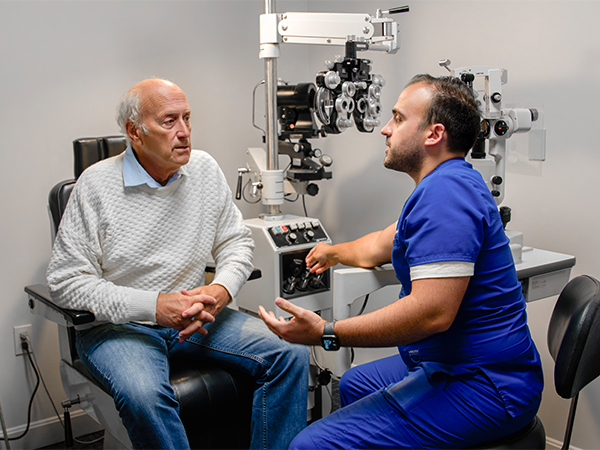
A comprehensive eye exam does more than check whether you need glasses or contact lenses. It allows our eye care team to evaluate how your eyes are functioning and look for early signs of disease. Even if you feel like your vision is fine, an exam may detect changes that are not yet affecting your day-to-day sight.
During an eye exam, we may assess your visual clarity, eye pressure, focusing ability, eye coordination, and the health of the retina and optic nerve. These details can help us catch concerns early and recommend the right next steps.
Eye Conditions That May Develop Without Symptoms
Some eye diseases can progress silently for months or years. By the time symptoms appear, vision may already be affected. Regular eye exams can help detect early warning signs of conditions such as:
- Glaucoma, which can damage the optic nerve before noticeable vision loss occurs
- Diabetic eye disease, which may develop before symptoms are obvious
- Macular degeneration, which can affect central vision over time
- Cataracts, which may slowly cloud vision
- Retinal changes, which may need monitoring or additional care
Early detection does not always mean a serious diagnosis, but it gives you more information and more options.
The Importance of Routine Eye Exams For Overall Health
Your eyes can also show signs of certain health conditions. Changes in the blood vessels, retina, or optic nerve may point to issues related to diabetes, high blood pressure, inflammation, or other medical concerns. This is one reason eye exams are important even for patients who do not wear glasses.
For children, routine eye exams can also identify focusing or tracking problems that may affect reading, learning, and school performance. For adults, they help monitor vision changes related to screen use, aging, and health history.
How Often Should You Schedule An Eye Exam?
The right schedule depends on your age, vision needs, health history, and risk factors. Some patients only need routine exams once a year, while others may need more frequent monitoring. If you have diabetes, a family history of glaucoma, frequent headaches, eye strain, or sudden vision changes, it is important to schedule an appointment sooner.
Even small changes can be meaningful when they are tracked over time. Consistent eye exams give us a clearer picture of your eye health and help us protect your vision with personalized care.
Protect Your Vision Before Symptoms Start
Waiting until vision changes become obvious can make some eye problems harder to treat. A comprehensive eye exam is a simple, proactive way to catch silent vision problems early and stay ahead of your eye health.
Schedule your comprehensive eye exam with WeCare Eye Group and take a proactive step toward protecting your vision before symptoms appear. We’re here to serve your family at multiple locations across Pennsylvania and Rhode Island. Contact the office nearest you to book your appointment today:
- Ardmore Eye Care - Ardmore, PA | (610) 624-2151
- WeCare Eyes and Skin MedSpa - Providence, RI | (401) 331-7850
- Cranston Eye and Optical - Cranston, RI | (401) 942-9933
- Westminster Eye Care Associates - Providence, RI | (401) 331-7850
- Smithfield Eye and Optical - Greenville, RI | (401) 949-7300
- College Hill Eye and Optical - Providence, RI | (401) 831-2015
- North Providence Eye and Optical - North Providence, RI | (401) 353-2010
All Eye
Care Services

Keep
In Touch





North Providence Eye and Optical
Location Details: Learn More Here
Phone: (401) 353-2010
Contact Us


Westminster Eye Care Associates
Location Details: Learn More Here
Phone: (401) 331-7850
Contact Us
© 2026 WeCare Eye Group. All Rights Reserved. Accessibility Statement - Sitemap - Westminster Privacy Policy - Westminster Terms & Conditions
